
Gabriel SCHMITZ
Born in Dortmund (Germany), in 1970
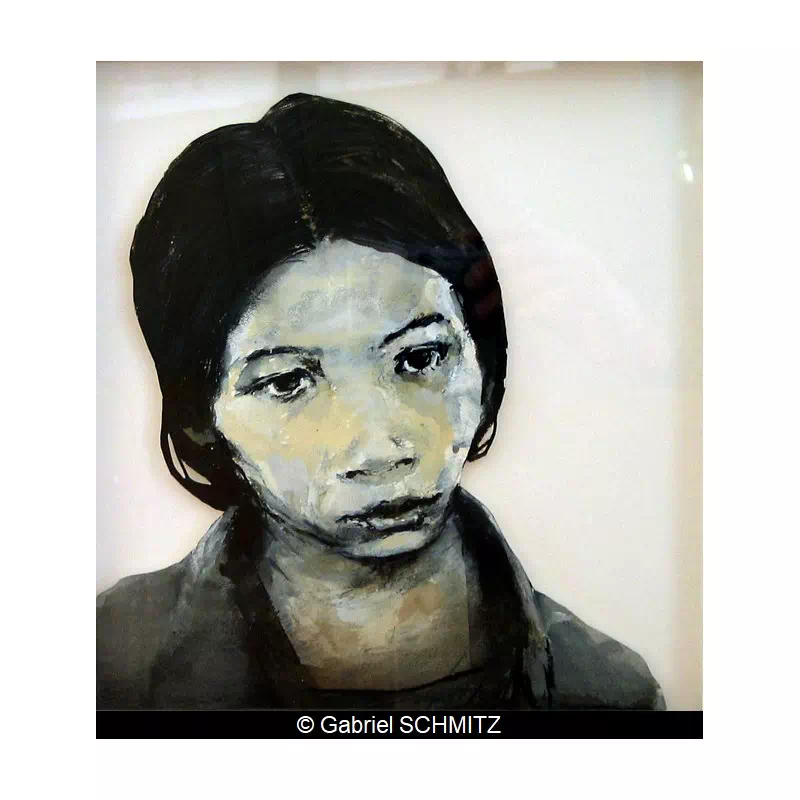
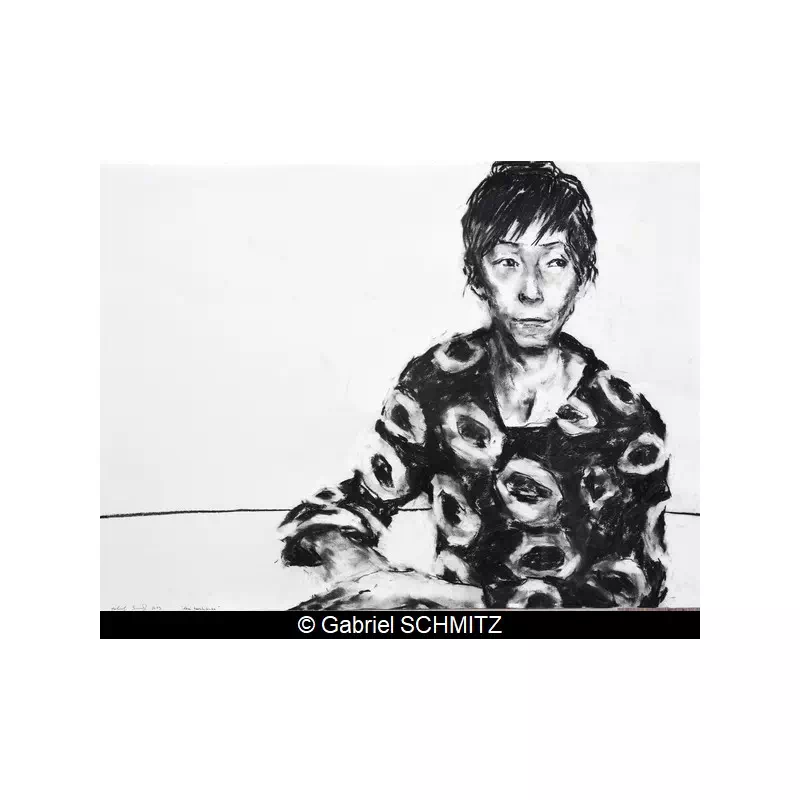
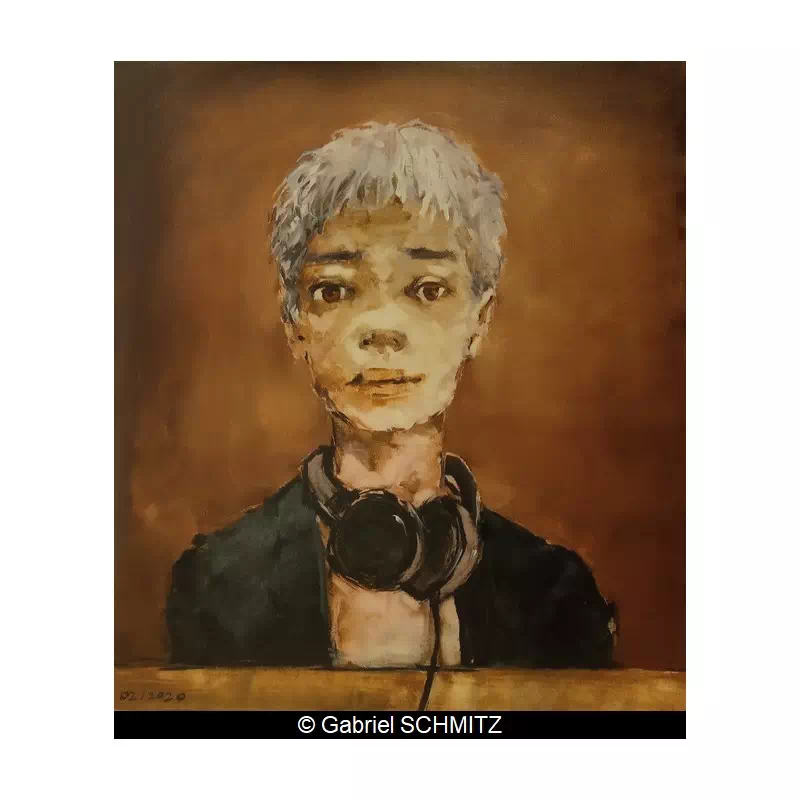
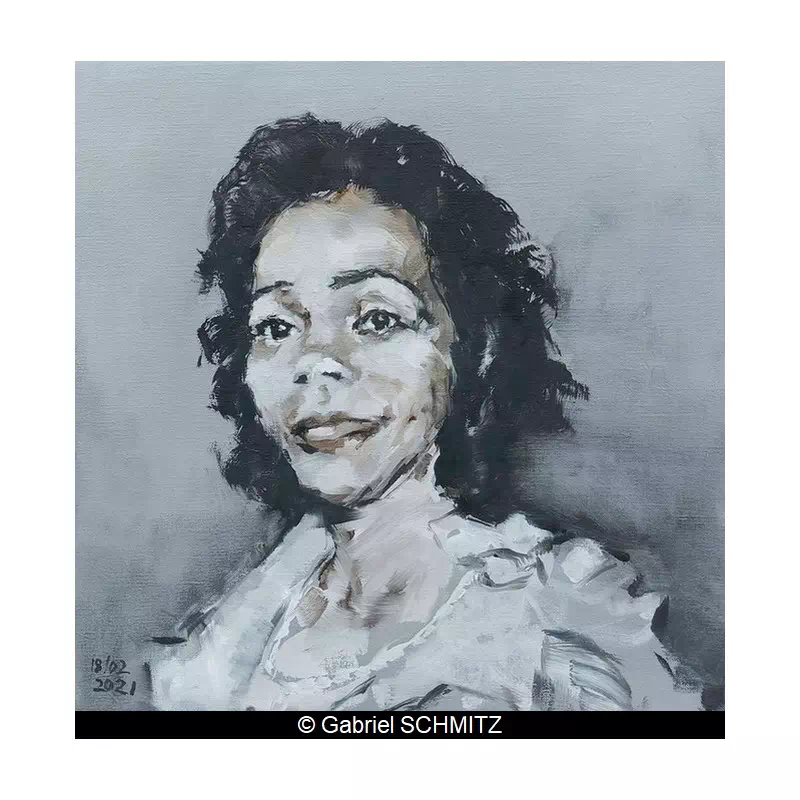
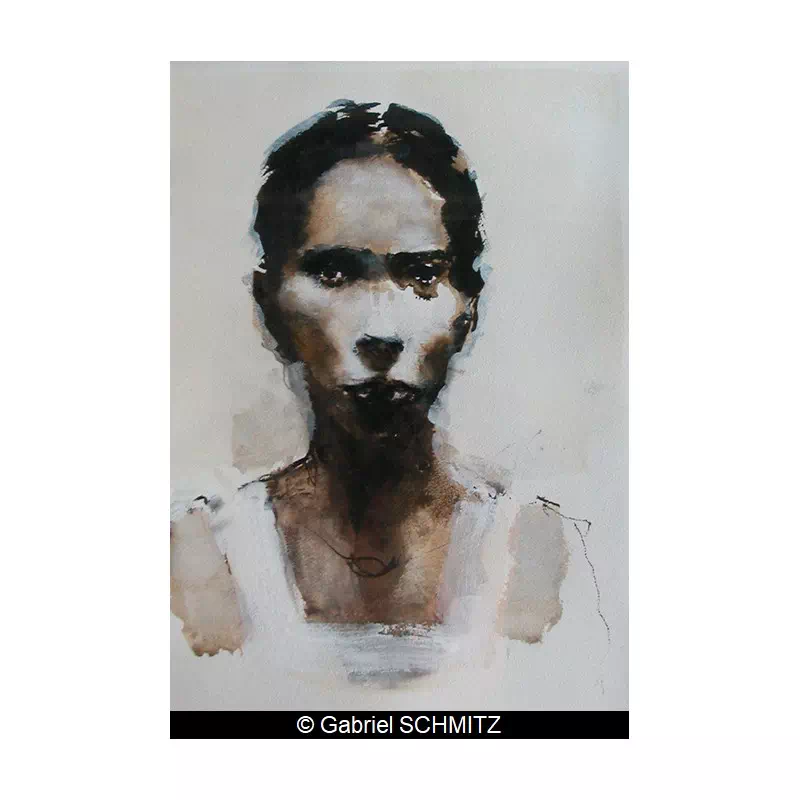
In his workshop, characters take heart and soul who are at the same time exotic in their physique, but close and contemporary by the expressiveness of the feelings that give them flesh. His silent faces subtly tell us of a search for the truth of human existence. Since 1991 Gabriel SCHMITZ exhibits regularly in Europe.

ARTWORKS
EXHIBITIONS & ART FAIRS


VIDÉOS
BIOGRAPHY
FORMATION
1990 – 1994 : Edinburgh Arts School, Scotland
1994 – 1995 : Master of European Art, Winchester Arts School, England and Barcelona, Spain
SOLO EXHIBITIONS
France : Paris, (Galerie Arcturus)
Norway : Oslo (Galerie Ramfjord)
Spain : Barcelona (Galerie Barnadas, La Destilleria Cultural Space, Galerie Esther Montoriol, Galerie 22, Igualada, Galerie Safia, Galerie Ambit, Euskal Etxea) ; Madrid (Galerie Rayuela) ; Girone (Galerie Can Marc) ; Salamanca (Birdland)
United-Kingdom : London (Hirschl Contemporary Art) ; Edinburgh (Filmhouse Gallery)
United States : Philadelphia (Pringle International Art)
GROUP EXHIBITIONS
France : Paris, (Galerie Arcturus)
Norway : Oslo (Galerie Ramfjord)
Singapore : Singapore (Barnadas-Huang Gallery)
Spain : Barcelone (Galerie Ambit, Galerie Safia, Galerie Esther Montoriol, Galerie Barnadas) ; Madrid (Galerie Rayuela)
United-Kingdom: London (Hirschl Contemporary Art) ; Edinburgh (Ash Gallery, « Passage-a travelling group show », Leone Cockburn Gallery)
United States: Philadelphia (Pringle International Art) ; New Jersey (MANA Contemporary)
ART FAIRS
Belgium : Brussels AAF 16
Denmark : Copenhagen Art Fair
France : Lille Art Fair, Lille (Galerie Arcturus); ST-Art 05, Strasbourg (Galerie Arcturus),
Italy : MiArt, Art Fair, Milan
Singapore : Singapore AAF
Spain : Art Madrid, Present Art Fair, Madrid ; Artexpo 03, Barcelona
United-Kingdom: Glasgow Art Fair, Scotland ; « Art 99 », Hirschl Contemporary Art, London
United States : Miami Art Fair, Miami ; Scope New York Art Fair, New York
PUBLIC COLLECTIONS
Cooke and Carpmael, London, Britain; Royal Crescent Hotel, Bath, Britain
INSTITUTIONS
2018 : ESKFF-Residence, Mana Contemporary, New Jersey
2016 : ESKFF-Residence, Mana Contemporary, Miami
2015 : ESKFF-Residence, MANA Contemporary, New Jersey
2011-2012 : “D’une page blanche”, Collaboration for Contemporary dance piece, Mercat de les Flors, Barcelona
2007 : “Quant temps fa que som aquí?”, Artistic residence at the Hospital Universitari de Bellvitge, Barcelona
2003 :“Pasarela/Silencio”, installation at the Centre de Creacio “L´Animal a l´esquena”, Girona
1998 : Artwork for “Temporada d´Opera 98/99”, annual program of the Liceu Opera House, Barcelona
1996 : « Territoires », Cultural Center Can Felipe, Barcelona
BIBLIOGRAPHY
2018 : Gabriel Schmitz, (I don’t) Dance, artist book, The Folio Club, Barcelona
2016 : « Gabriel Schmitz, Être ému par une image », Galerie Arcturus, Paris
2014 : « Gabriel Schmitz, Un autre jour, un autre lieu », Galerie Arcturus, Paris
2012 : Gabriel Schmitz, Viaje a Japón, Travel reports, The Private Space-Books, Barcelona ;
« Gabriel Schmitz, Le choix de l’humain », Galerie Arcturus, Paris
2010 : « Gabriel Schmitz, A l’œil nu », Galerie Arcturus, Paris
2008 : « Gabriel Schmitz, Que reste t’il ? », Galerie Arcturus, Paris
2006 : « Gabriel Schmitz, Huile et temps sur toile », Galerie Arcturus, Paris
2004 : « Gabriel Schmitz, Entre les yeux et les mains », Galerie Arcturus, Paris
Press Articles : Le Miroir de l’art, l’Officiel des galeries, Azart, La Vanguardia, El Punt, El Periódico
PRESS


WRITINGS
Gabriel Schmitz trained in several countries: in his native Germany, in Edinburgh (Scotland), Salamanca, and Winchester (England); an artistic journey that has culminated in a suggestive body of work, in the tradition of German Expressionism, with a metaphysical touch.
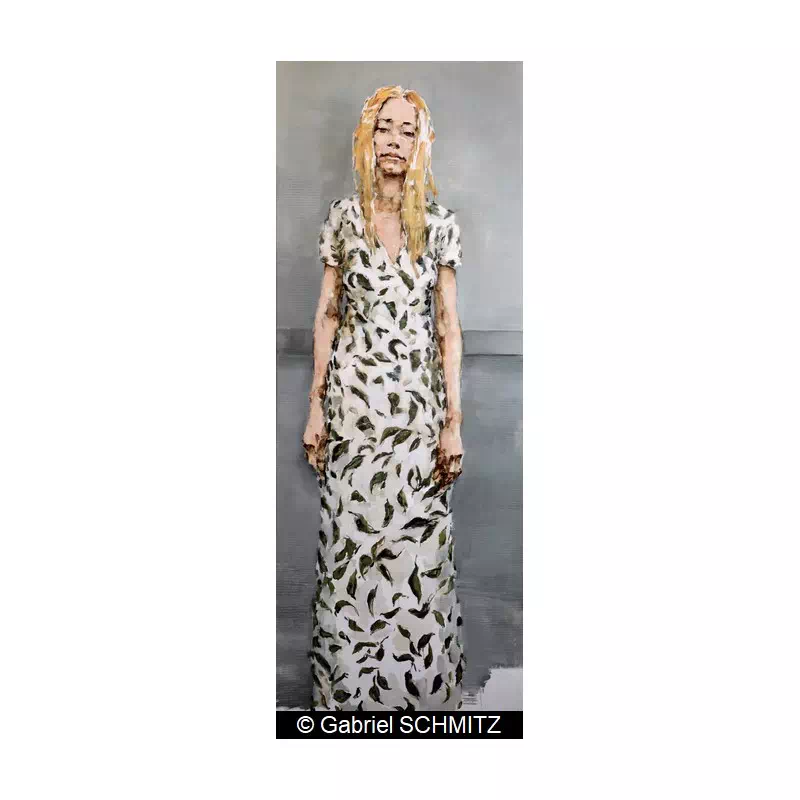
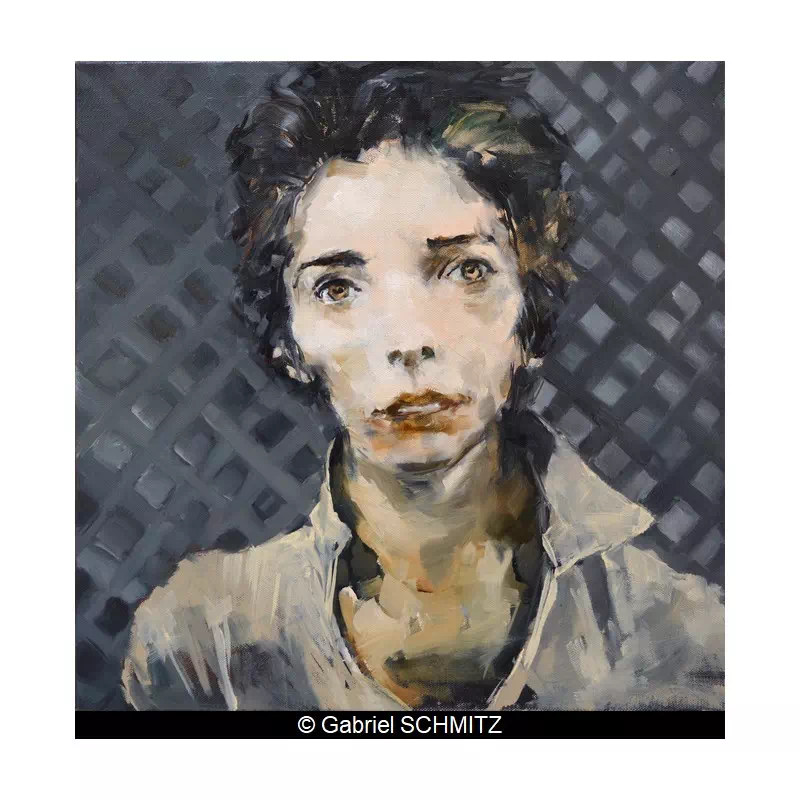
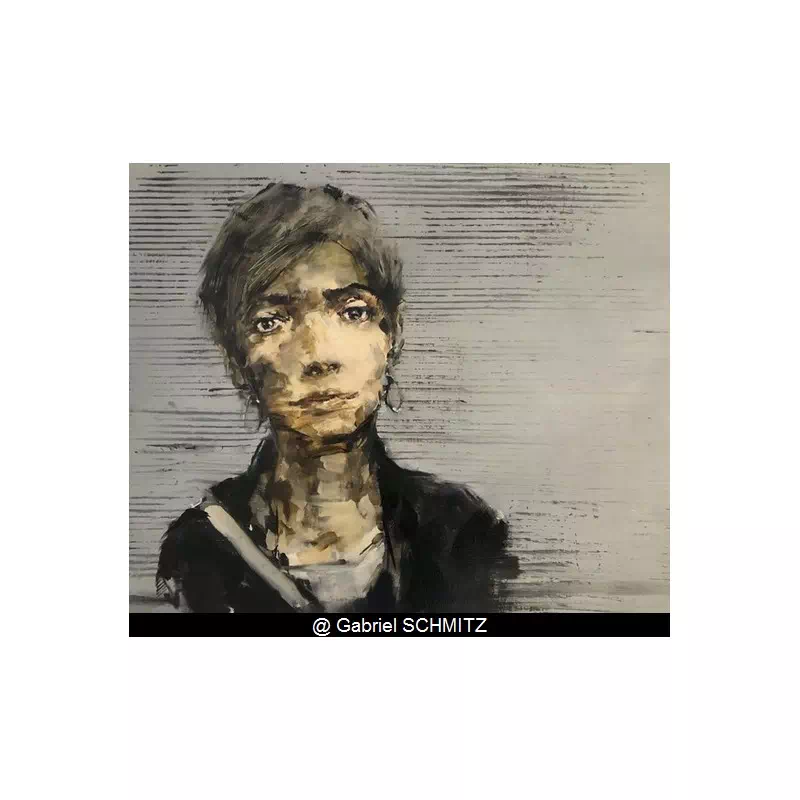
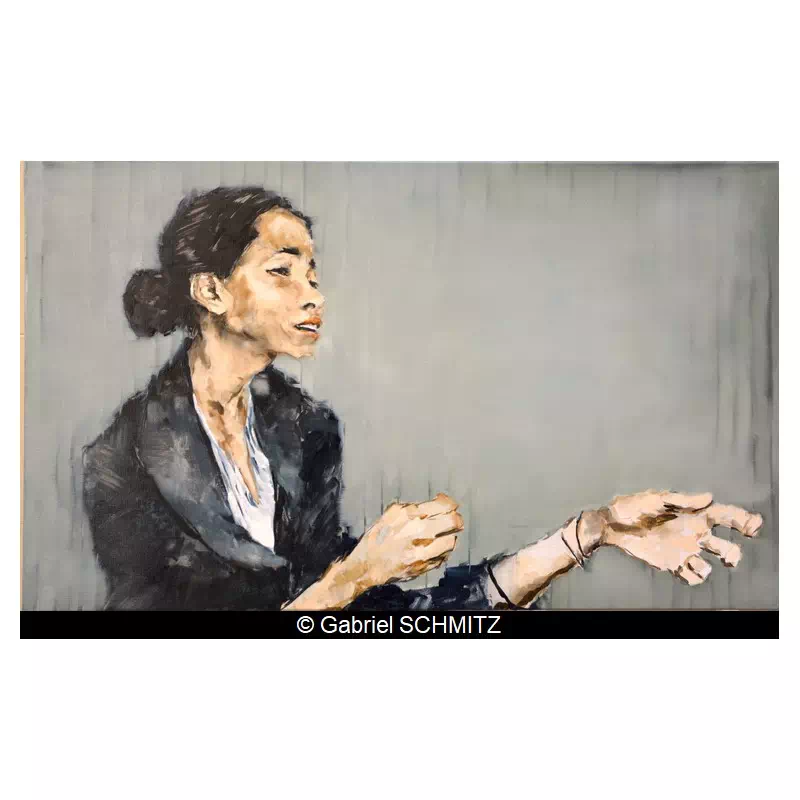
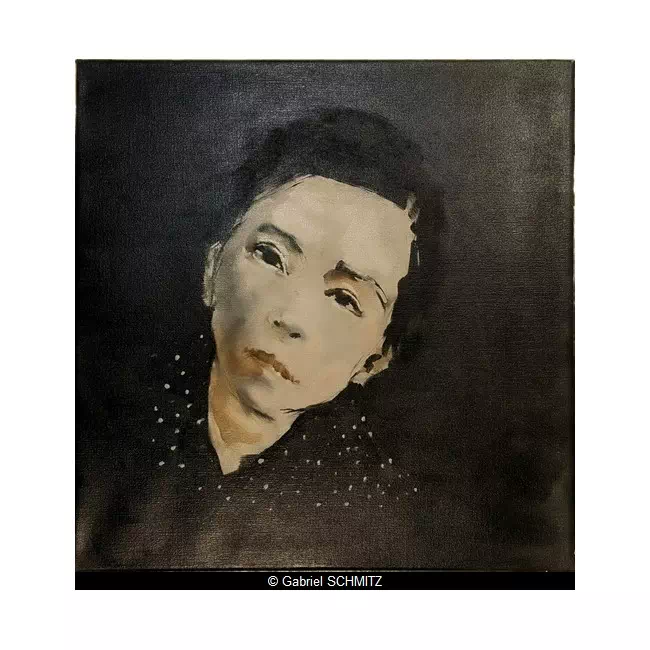
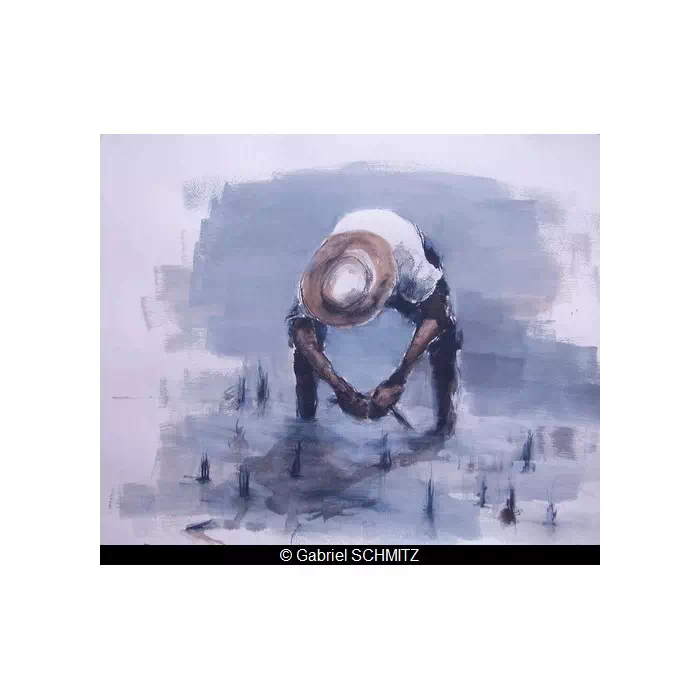
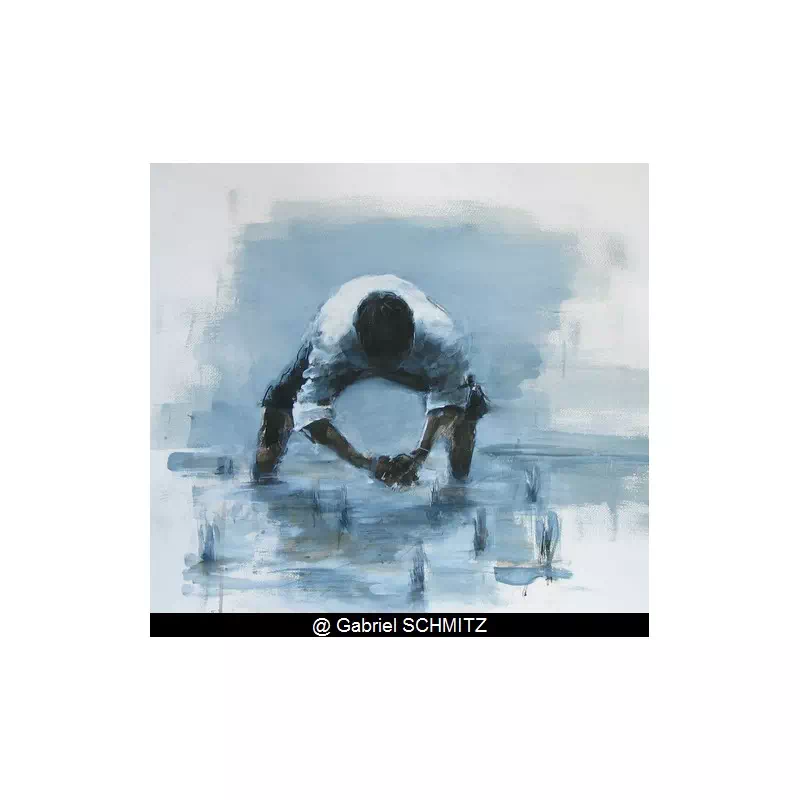
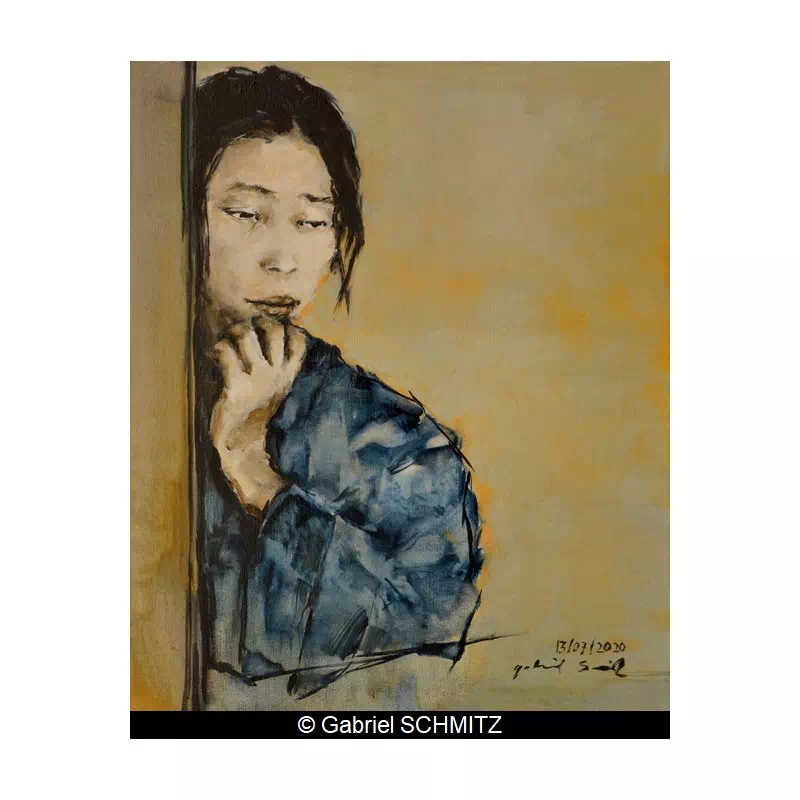
For Gabriel Schmitz, painting is a means of introspection that allows him to know himself and to communicate. His work reveals a humanist concern, focusing on the human figure, generally female, to represent states of introspection in a subtle and lyrical language. He is interested in capturing life through the language of the body (facial expressions, seemingly distorted and exaggerated hands in the foreground, withdrawn gazes, moving feet…) as it possesses this fleeting and eloquent gestural language that expresses a state of mind as much as a concern.
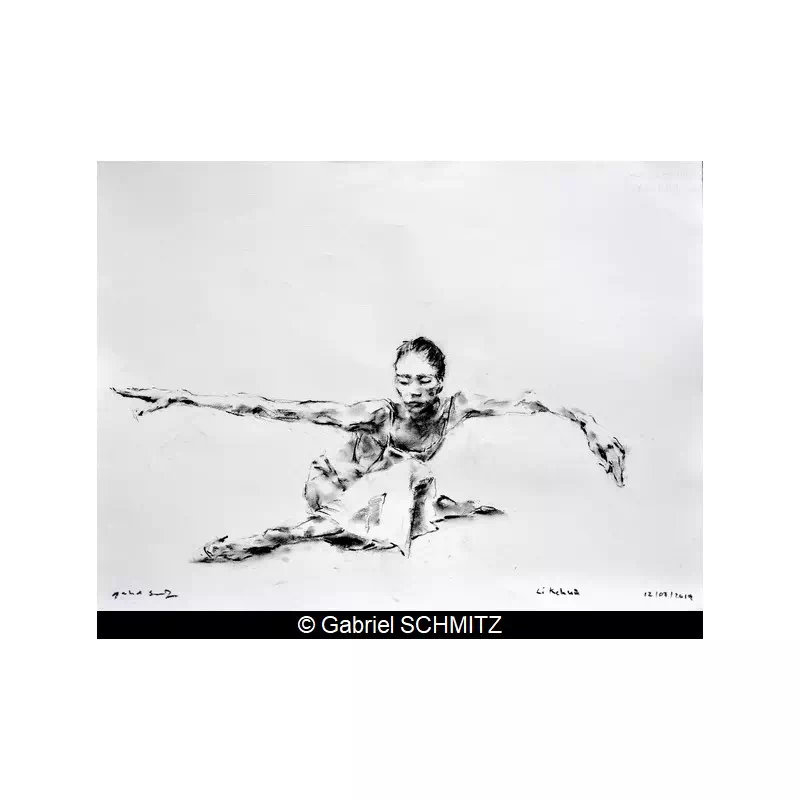
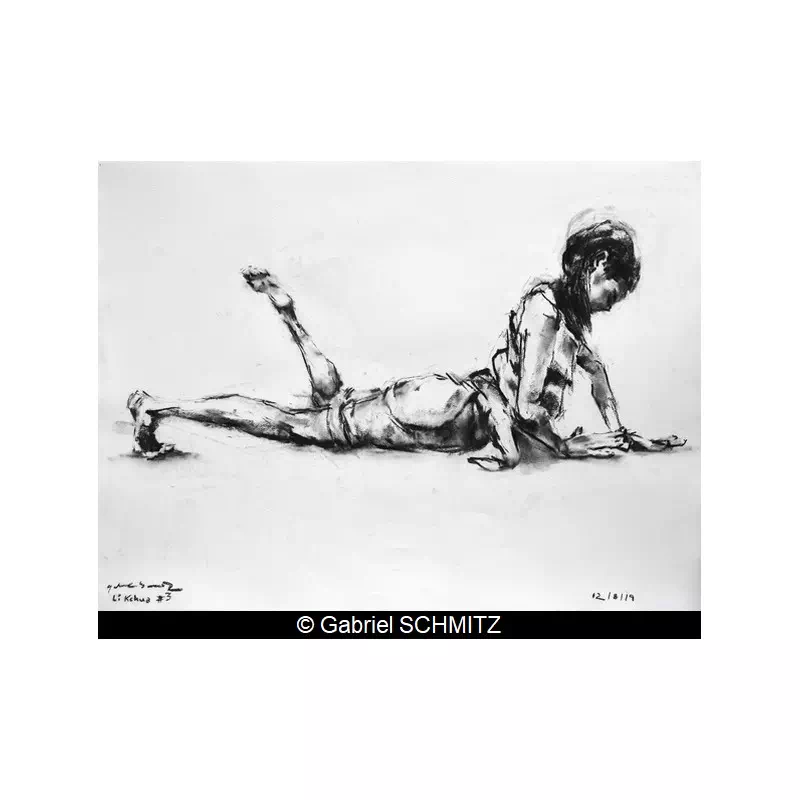
Closely following other forms of artistic expression such as cinema, theatre, dance, music, and photography, from which he draws inspiration, he incorporates impressions and fragments of lived moments into his work, recording the “experiences of travel.” But what particularly fascinates him is the gestural grammar of dance and the portrayal of both the beauty and the fleeting nature of harmonious poses, presented in several variations.
Capturing natural movement is one of his dominant themes, whether in dance, people walking or running, or the rhythm of rest. He paints gesture as a silent pause, a suspended chord that paradoxically seems to continue. His work breathes a certain sadness, even in the frenetic exasperation in which his dancers are immersed. He believes there is a deeper and more complex truth in sadness than in joy. His work attracts and seduces at first glance, touching the viewer because each of us is implicated in the hidden theme of his entire oeuvre: time penetrating our being. His paintings are paintings of time, movement, and silence. All art worthy of the name seeks the harmony of opposites, the precise meeting point, following Baudelaire, of the ephemeral and the eternal, the inflection point that unites opposing forces. Gabriel Schmitz paints with the impulse to freeze movement, to capture fleeting moments, to hold onto time.
“Painting is the hope of defying the principle of loss,” he explains. More than thirty illustrated journals bear witness to this impulse of the artist to counteract death through passionate work.
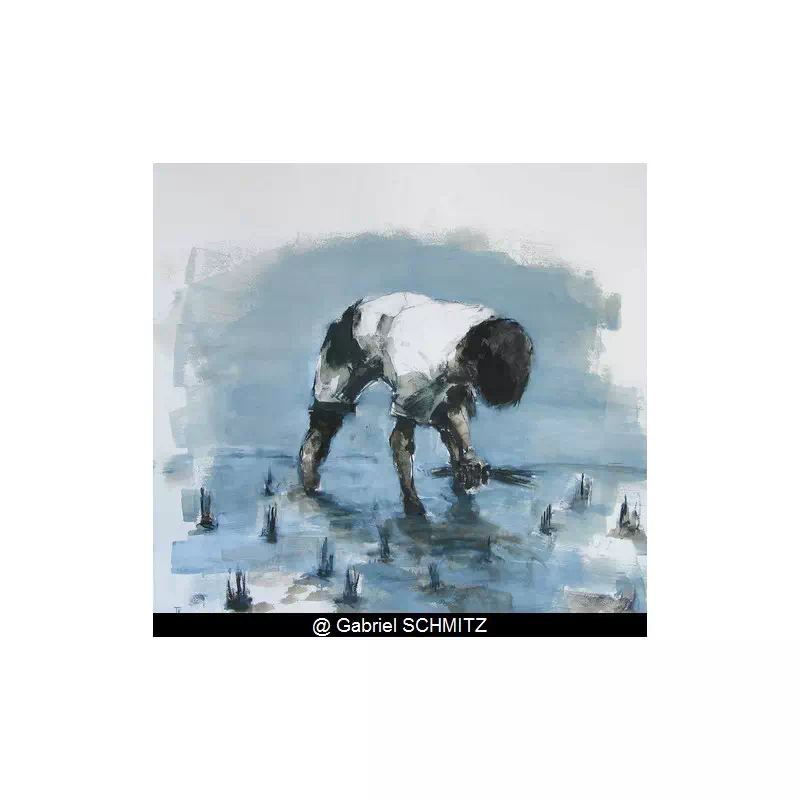
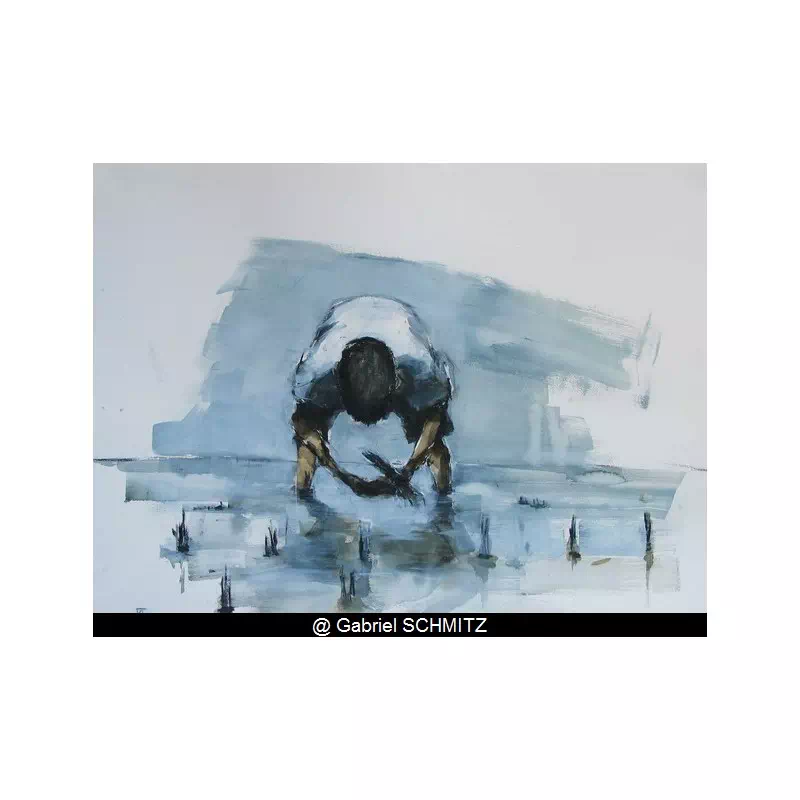
The dramatic tones correspond well to this vision: an austere palette of cool hues with a few touches of intense and reflective color—blues, grays, bright reds, sporadic greens, and above all, black, intense and elegant. Through the contrast of black and white or black and blue (which creates a certain vibrancy), blurred figures and body parts emerging from undefined backgrounds, somewhat like water (with occasional lines of flowing paint), seen from an angle common to cinema and photography, an emotional reality is created.
Part of this reality also forms the basis of the originality of his formats and sometimes the subtle incorporation of collages into his work.
Gabriel Schmitz studies the human figure in its many expressions, and especially Africans. He paints solitary and sensual figures who convey both strength and tension, as well as a certain alluring anxiety, from the people he evokes, even though there is generally a concrete starting point, a memory and an imagination, representing them as they are revealed by recollection.
In this sense, his paintings are traces of experience.
By Montse Gisper – Sauch I Viader