Hervé ABBADIE
Born in Rennes (France), in 1962
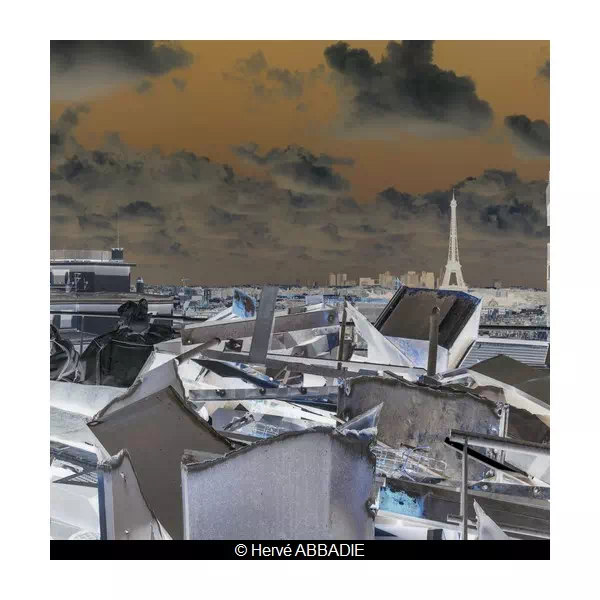
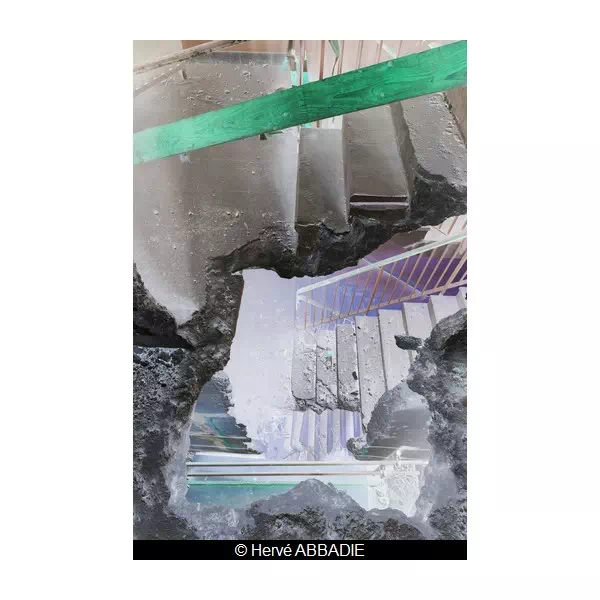
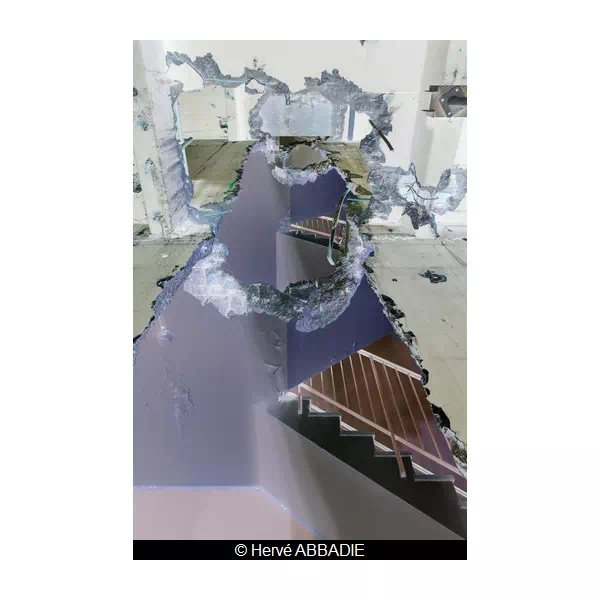
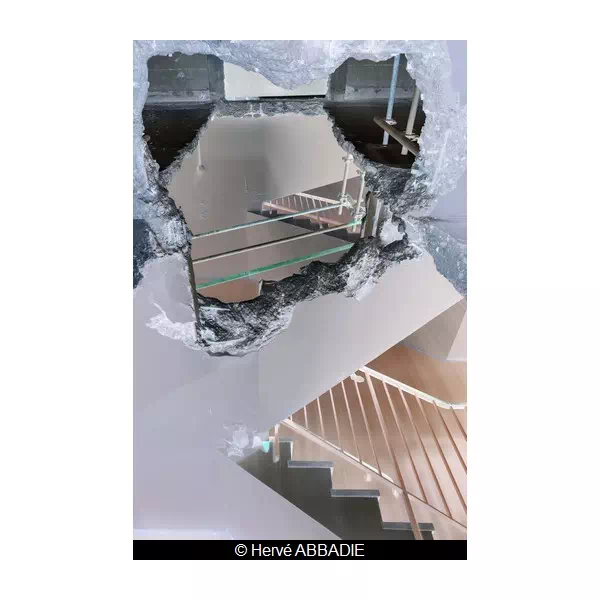
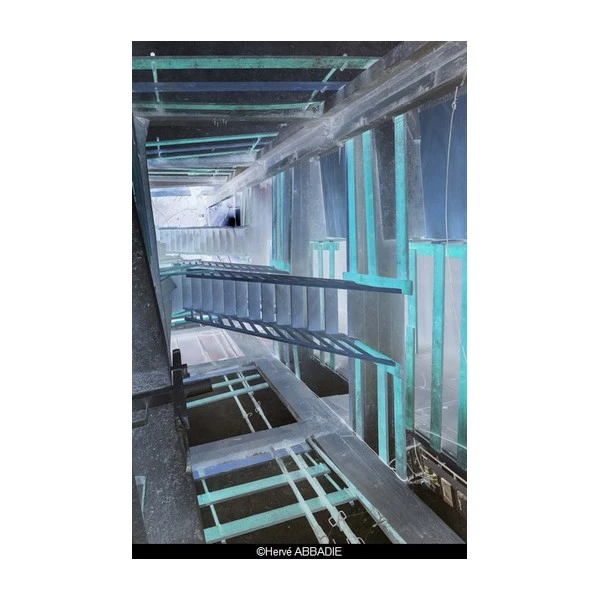
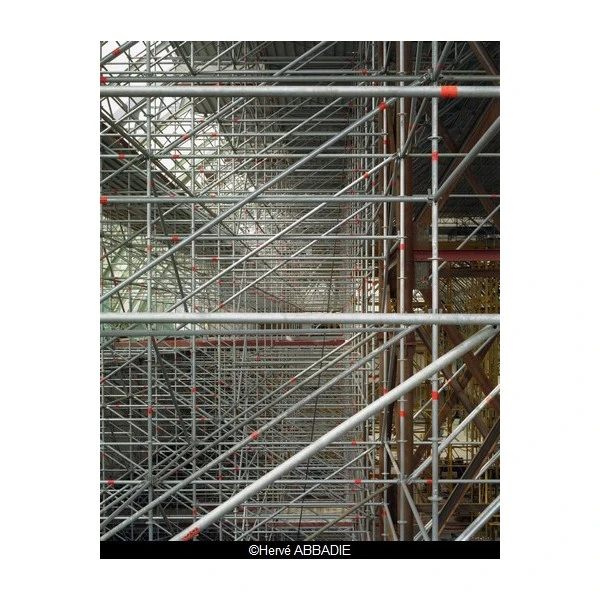
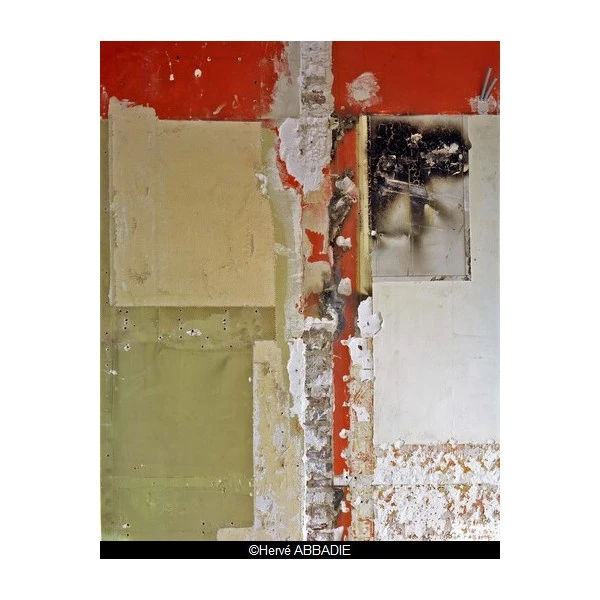
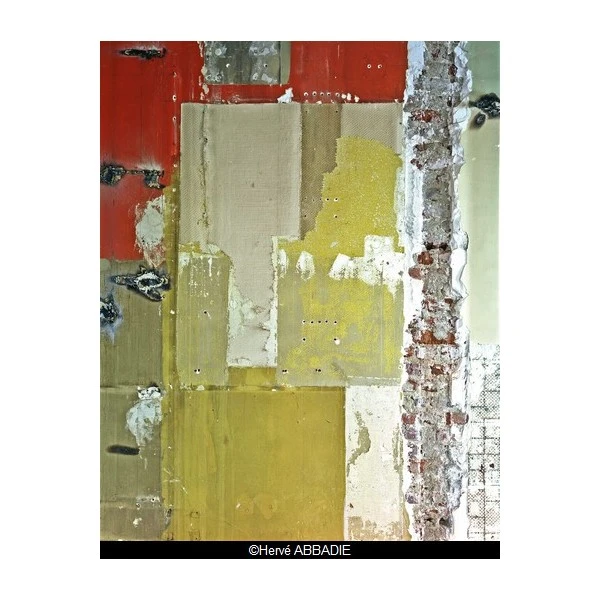
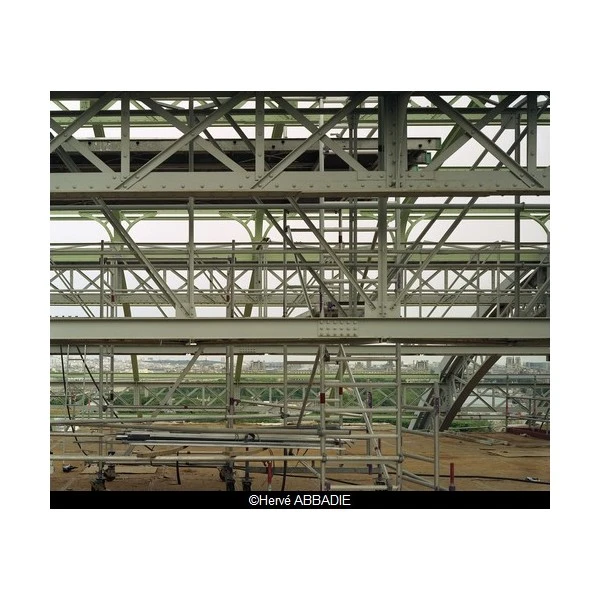
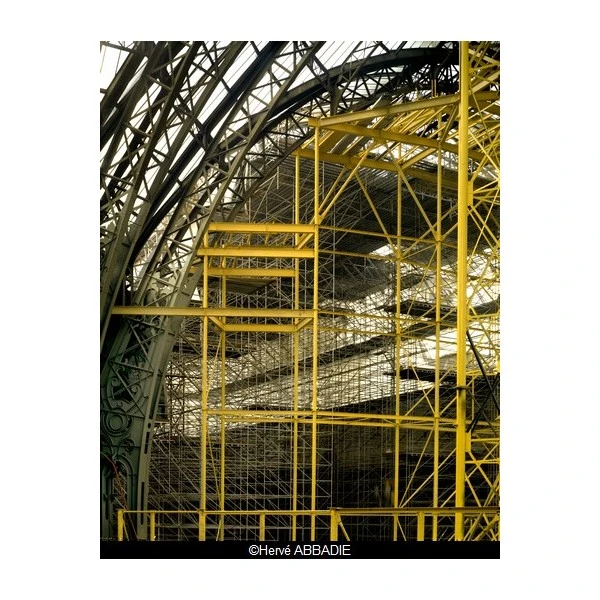
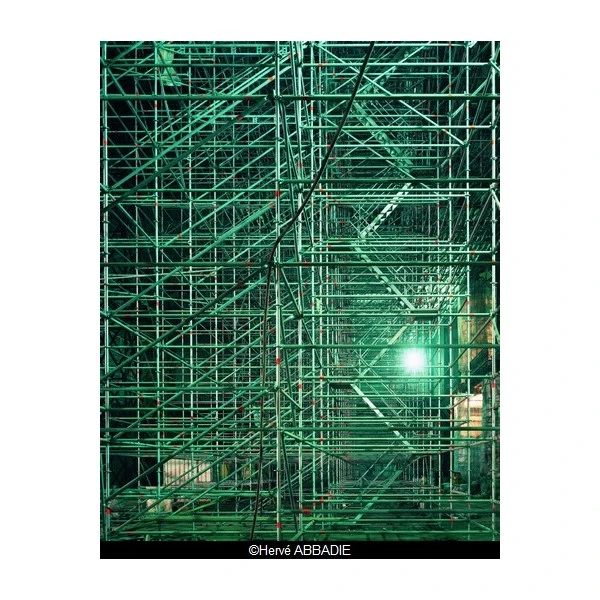
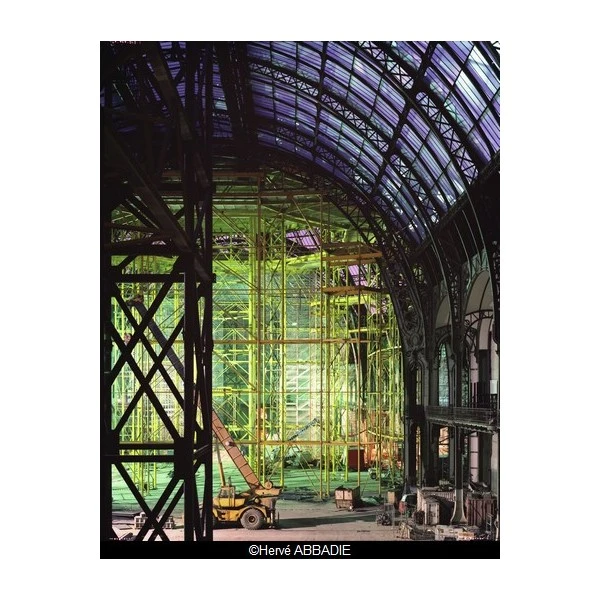
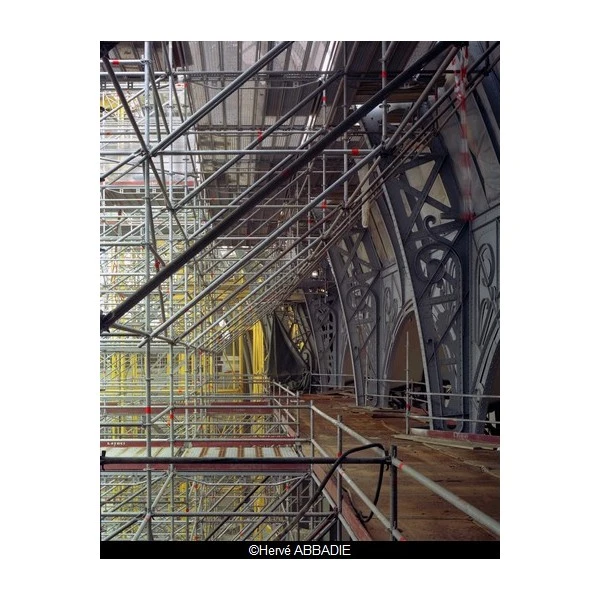
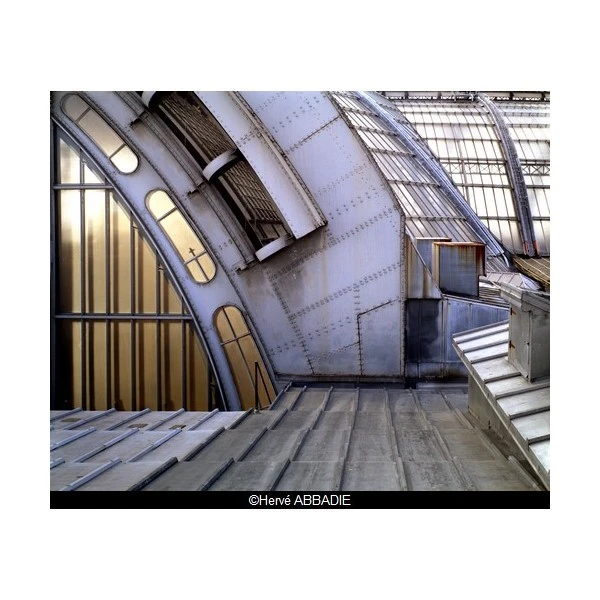
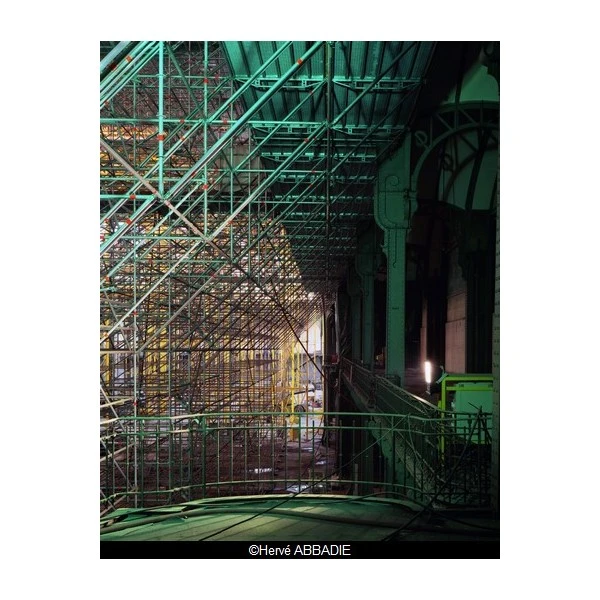
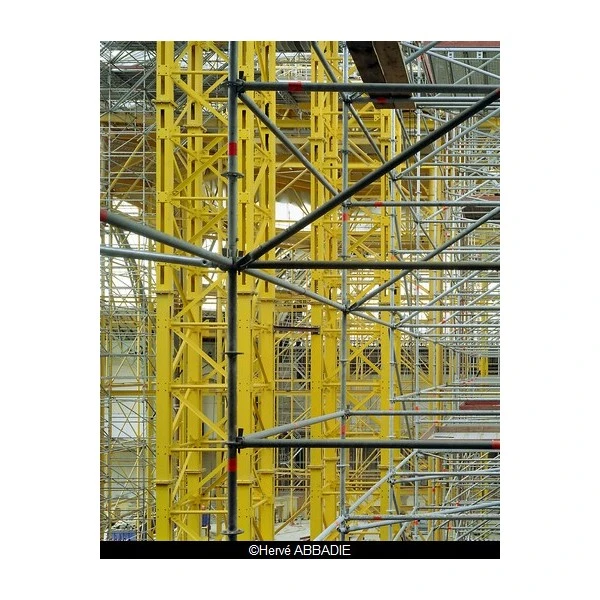
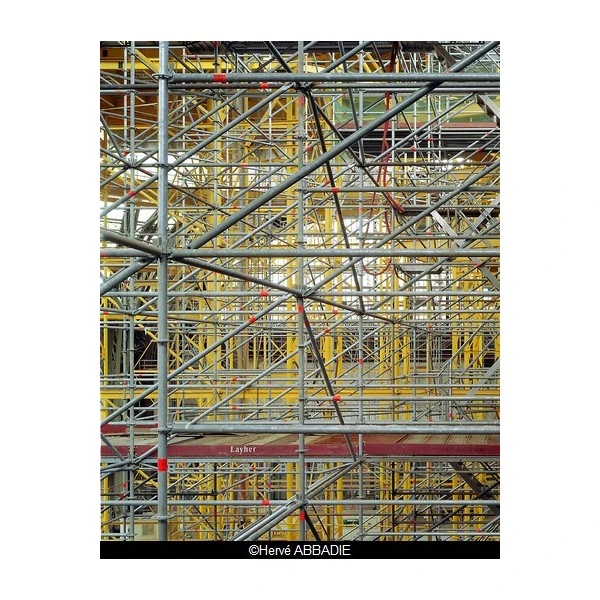
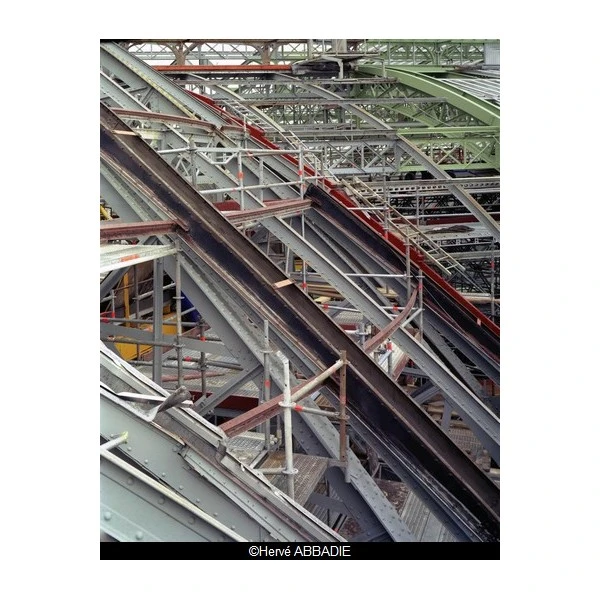
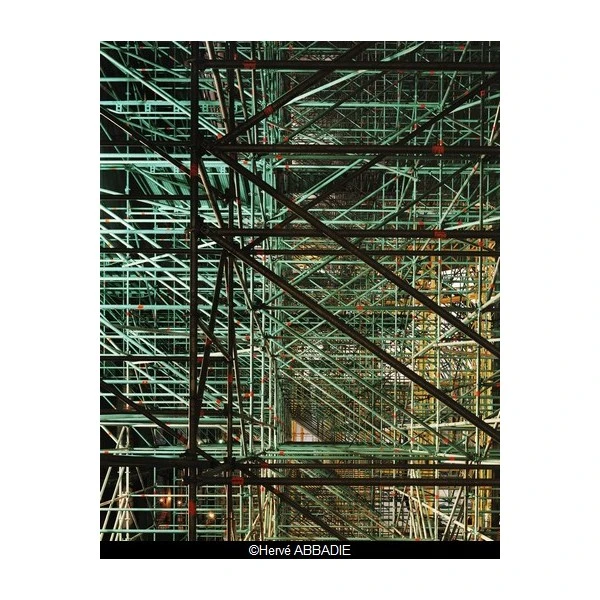
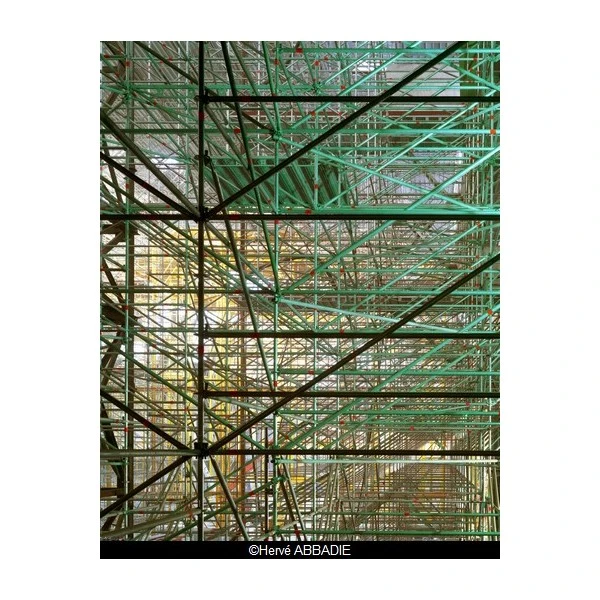
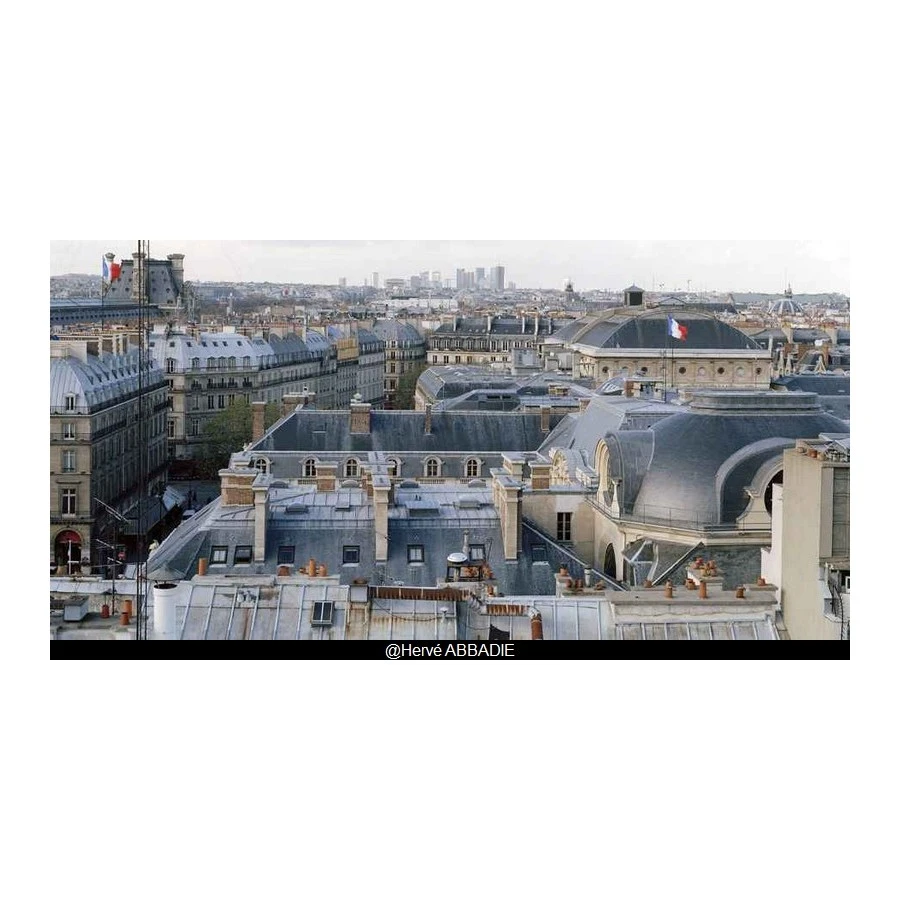
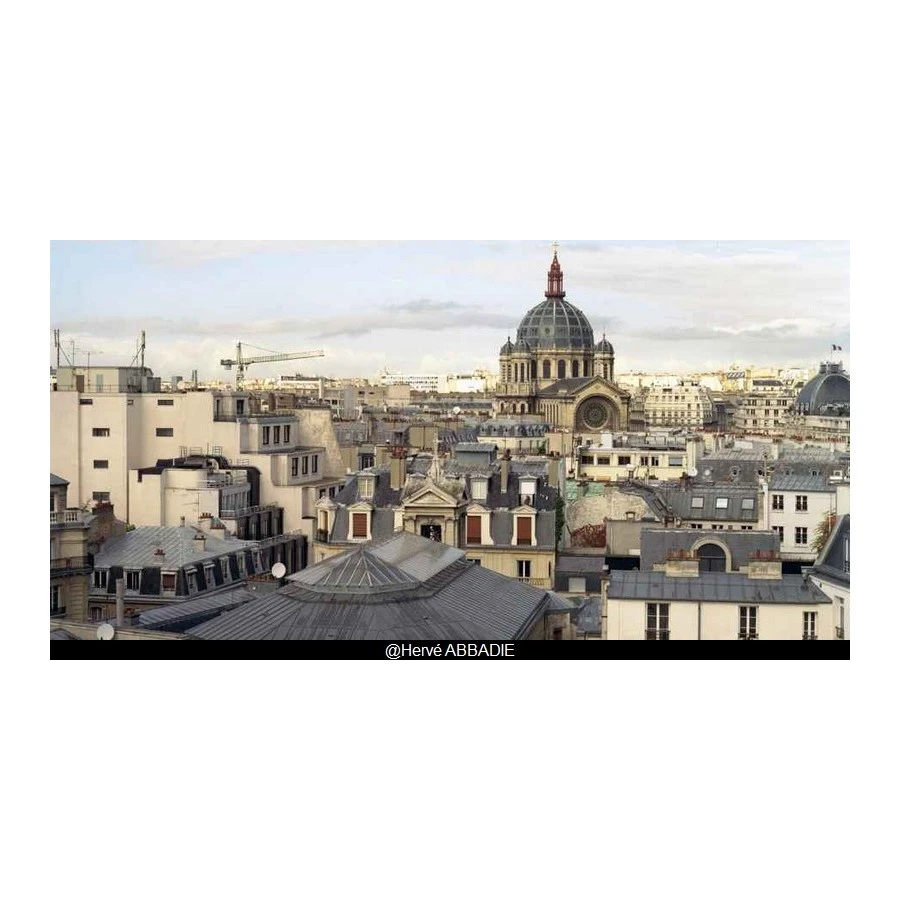
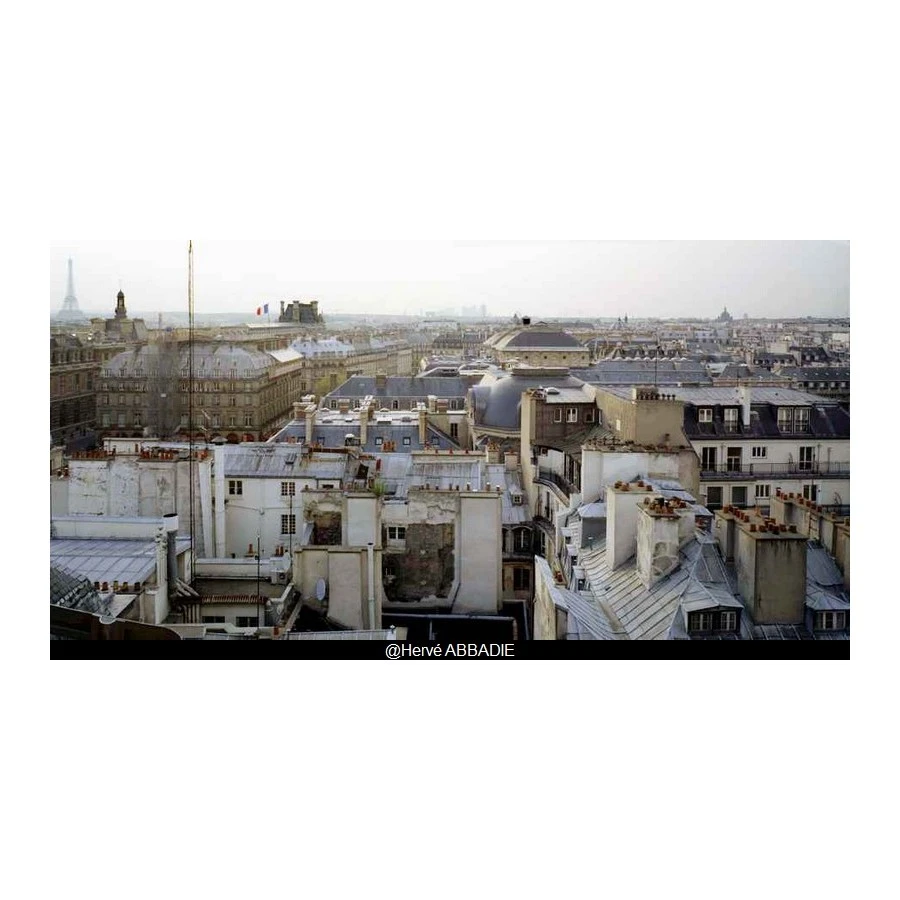
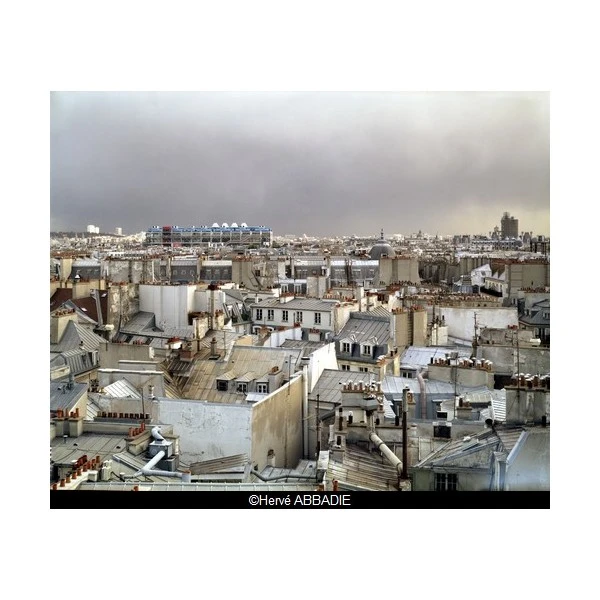
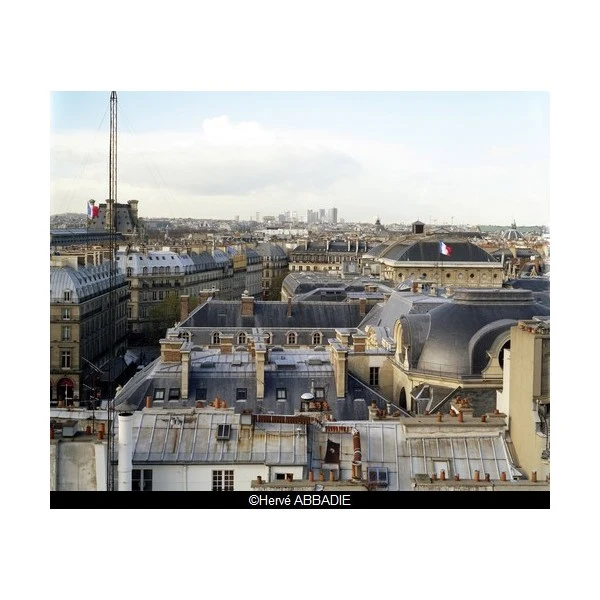
Hervé Abbadie develops graphic and subtle work on the urban landscape. His photographer’s eye sees the beauty of the composition and the decomposition of a place which constitutes only a simple construction site for the greater part, and which is in reality a zone in perpetual change. His photos of the redesign of the Grand Palais are in this respect symbolic. He is recognized by the top contemporary architects.

ARTWORKS




EXHIBITIONS & ART FAIRS


BIOGRAPHY
MUSEUM EXHIBITIONS
2005 : Ministry of Culture and Communication, « Les Bons Enfants », Paris, France
1985 : Centre Georges Pompidou, « Le bus, Expérience de la découverte », Les Immatériaux, Paris, France
SOLO EXHIBITIONS
Egypt : Cairo (C.C.F Institut français)
France : Magny-les-Hameaux (Abbaye de Port-Royal-des-Champs) ; Nîmes (« Architecture d’une ville ») ; Paris (Galerie Arcturus, Galerie Rabouan Moussion, Palais des Congrès, La Terrasse Passage du Désir, Galerie du Bateau Lavoir, FNAC Montparnasse, Espace photographique des Halles, Galerie de la librairie ArchiLib, Pavillon de l’Arsenal) ; Rodez (La Menuiserie) ; Saint-Denis (salle de la Légion d’Honneur) ; Yèvre-le-Chatel (l’Orangerie)
Sweden : Stockholm (« Paysages »)
PUBLIC COLLECTIONS
France : Bibliothèque Nationale de France, Paris ; Maison Européenne de la Photographie, Paris
United States : Museum of Contemporary Art, Chicago
ART FAIRS
France : Lille Art Fair (Galerie Arcturus), Lille ; Elysées de l’Art (Galerie Arcturus), Paris ; Paris Photo, Paris ; FIAC, Paris
BIBLIOGRAPHY
2018 : Mauro Galantino, Enia Architectes, Hervé Abbadie, « Notre-Dame du Rosaire, Eglise et centre pastoral des Lilas », Edition Klincksieck
2010 : Carinne Merlino, François Cuel, Hervé Abbadie, « Une Machine publique, L’unité de traitement des pollutions azotés de Seine Aval » SIAAP, Editions Terre Bleue, Paris ; Pierre Clément, Henri Bresler, Hervé Abbadie, Vincent Fillon, « La Tour Lopez : 1952-2009 : La renaissance d’une belle endormie », Edition Mécène ; « Le défi du Renouvellement Urbain » Groupe 3F, Archibooks, Paris ; « Gaëtan le Penhuel Architectes » Editions Alternatives, Paris
2009 : Hervé Abbadie, « European Investment Bank – Banque Européenne d’Investissement », Editions Images en Manœuvres, Marseille ; J-F Pousse, Hervé Abbadie, « Marc Barani : un pont à Billancourt », Edition Bernard Chaveau, Suresnes ; « Lycée Pierre-Joël Bonté Riom, Emmnanuel Nebout architecte » Archibooks, Paris ; « Le Pont Renault » Bernard Chauveau Editeur
2008 : Pascale Blin, Hervé Abbadie, « Massy, construire la ville ensemble », Editions de l’Epure, Paris ; « Annuel optimiste d’architecture » les Editions de la French Touch ; « Les cathédrales de l’eau », Editions Jean-Michel Place, Paris
2007 : Pascale Blin, Hervé Abbadie, « Renaissance/Musée Fabre, Montpellier », Ante Prima, Paris ; « Hines France », Ed Jean Michel Place, Paris
2006 : A.M Plumian-Le Scornec, Hervé Abbadie, « Les portes d’Arcueil, Orange Village – Un projet architectural, une aventure humaine », Editions Chêne, Boulogne-Billancourt ; « AAM/Atelier Chaix et Morel » Ante Prima, Paris
2005 : « Alain Sarfati, la preuve par neuf », Ed du Layeur
2004 : « XX Lofts » onlybook, Lofts Publications, Barcelone, Espagne
2002 : « Small Urban Interiors » Loft Publications, Barcelone, Espagne
2001 : Michel Chabot, Hervé Abbadie, Annie Der Bedrossian, « Paris maisons de Ville », Minerva, Paris
1995 : « Sichtbar/Unsichtbar », Acht Fotografen den h das Deutschen Bundestages in Bonnn Ed. Braus, Heidelberg
1993 : « Collectif Image », La Forge, Paris
1992 : « Jean Nouvel Emmanuel Cattani », Arc en rêve, Bordeaux
1991 : « Béton matière d’Architecture », Ed. Regirex, France
1987 : « Photo Plastique », Catalogue vidéo, Paris
1986 : « Trans-positif-négatif : d’une exposition à l’autre, bords, débords, rebordements », catalogue d’exposition, Paris Audiovisuel ; « Ce que montrent les Images », P.U.V., Vincennes
1985 : « D’une Exposition l’Autre», Paris Audiovisuel ; «91 propositions concernant la photographie-étalon», P.U.V. ; « Le Bus, Expérience de la découverte » Les Immatériaux, Centre Georges Pompidou
PRESS


WRITINGS
HERVE ABBADIE, IN SEARCH OF THE IN-BETWEEN
If Hervé Abbadie frequents buildings under construction or renovation, it is not out of nostalgia for a bygone era or to glorify a world yet to come. It is to observe firsthand those in-between moments when, while awaiting the finished product, the processes employed by architecture are revealed, and questions about its nature emerge. Does a construction site have its own aesthetic? Is a building under construction more beautiful than a finished one? Tough questions for the architect who views these photographs!
As a regular reader of architectural publications, you’ve surely seen the images created by Hervé Abbadie for magazines and architectural firms. Yet these photographs, which are frequently featured in magazines, represent only the tip of the iceberg of his work. Alongside these views composed according to the rules and conventions of architectural publications, he produces other, less orthodox views of buildings in the process of deconstruction—in the Derridian sense of the term! There must be a Mr. Hyde within him that drives him to capture architecture at the specific moments of its construction, revealing a world that the architectural audience tends to overlook, being more inclined to value only the finished object.
“In these photographs, I’m interested in the issues surrounding the in-between,” explains Hervé Abbadie. “I seek to capture the processes set in motion by architecture.” The site of this in-between is precisely the construction site, which Hervé Abbadie relentlessly explores until he finds what he’s looking for. “My images form a kind of documentation. I see things that exist only for the photographer—the small moments on the construction site that the public, who has no access to it, does not see, and that the workers, who are busy at work, do not have time to notice.” These photographs always follow a simple structure: frontal shots, taken with a view camera, using a standard lens set to hyperfocal distance. This setup eliminates distractions to focus on the essential, which for him is the construction of a gaze: “I want to avoid the spectacular, to place the viewer in a relationship with the image identical to the one I had with the site at the moment I took the photograph.”
For this reason, the presentation of the documentary often relies on large-format prints that allow viewers to delve into the details of these photographs, which oscillate between the whole and its various parts: frames within frames, off-center compositions, and clashing scales invite the eye to move across the image. Caught in the abstract world of the construction site, certain glimpses within the fragments of the photograph bring us back to familiar elements: here, a metal element embedded in a scaffolding grid allows us to recognize the Grand Palais; there, a strip about ten centimeters wide (in a print 180 centimeters tall) inserted in the middle of a network of structures, which will encompass the most notable monuments of historic Paris. “I don’t believe in images with a subject at the center. I prefer to construct polycentric images, where several elements are capable of capturing the viewer’s gaze independently of one another.” This interplay between the whole and the parts is extended by the organization of the photos into series, through diptychs, triptychs, and books.
The Construction Site as an Installation
Have buildings under construction become the largest and most ephemeral contemporary art galleries? Confronted with this aesthetic during his thirteen years of teaching at the University of Saint-Denis, Hervé Abbadie seems to have rediscovered on the construction site all the modes of expression in contemporary art, from cave painting to Land Art. Viewers will discover for themselves the references that run through all his photographs. But while the construction site sometimes takes on the appearance of an installation, the photographer is careful not to intervene in the image. Nor is he merely observing or raising objections. The point of the photography is to tell a story made up of successive episodes, to show the ephemeral and cumulative nature of the materials, their submersion in the process of construction. “Construction sites are moments when aspects are revealed that we will never see as clearly once the building is finished, such as the structures, visible at the moment of their construction or their stripping back. I record these traces destined to be erased, these archaeological strata that reappear fleetingly.” Scarce in appearance, except through the tools he leaves lying around, man sometimes appears in the form of small figures that Hervé Abbadie describes as “Brueghelian.” An anonymous crowd guided by a specific task within the chaotic environment of a construction site. A blend of violence and meticulousness that governs the creation of this miniature universe that is a building.
By Olivier NAMIAS
D’ARCHITECTURES 172 – APRIL 2008 (translated from French)
–
For over twenty years, Hervé Abbadie has been developing a body of work on transformative photography, focusing specifically on the theme of the changing city. The research undertaken by Hervé Abbadie, much like that of Jeff Wall, Jean Marc Bustamante, Jean-Louis Garnell and Walter Niedermayr, explores the representation of places whilst constantly engaging with references to the history of painting: the compositions, formats and references they employ are highly characteristic in this respect.
Composed more as a body of images than as truly inseparable series, the images seek to capture the in-between moments of construction sites—those moments far removed from the demonstrative or the finished, presenting a collection of novel and evolving forms caught between a past, now-vanished meaning and an incomplete present-day perception. The perception of this gap between two uncertainties, between two states of incompleteness, is that of time, of pure time, in the sense used by Marc Augé.
Whilst Hervé Abbadie’s strikingly precise images depict an unstaged and unmanipulated reality, drawing here and there on the work of pioneers such as Lewis Baltz or Bernd and Hilla Becher, he does not intend to reduce his practice to a mere documentary approach. Through the use of photography, he invites the viewer to reflect on our relationship with history and heritage.